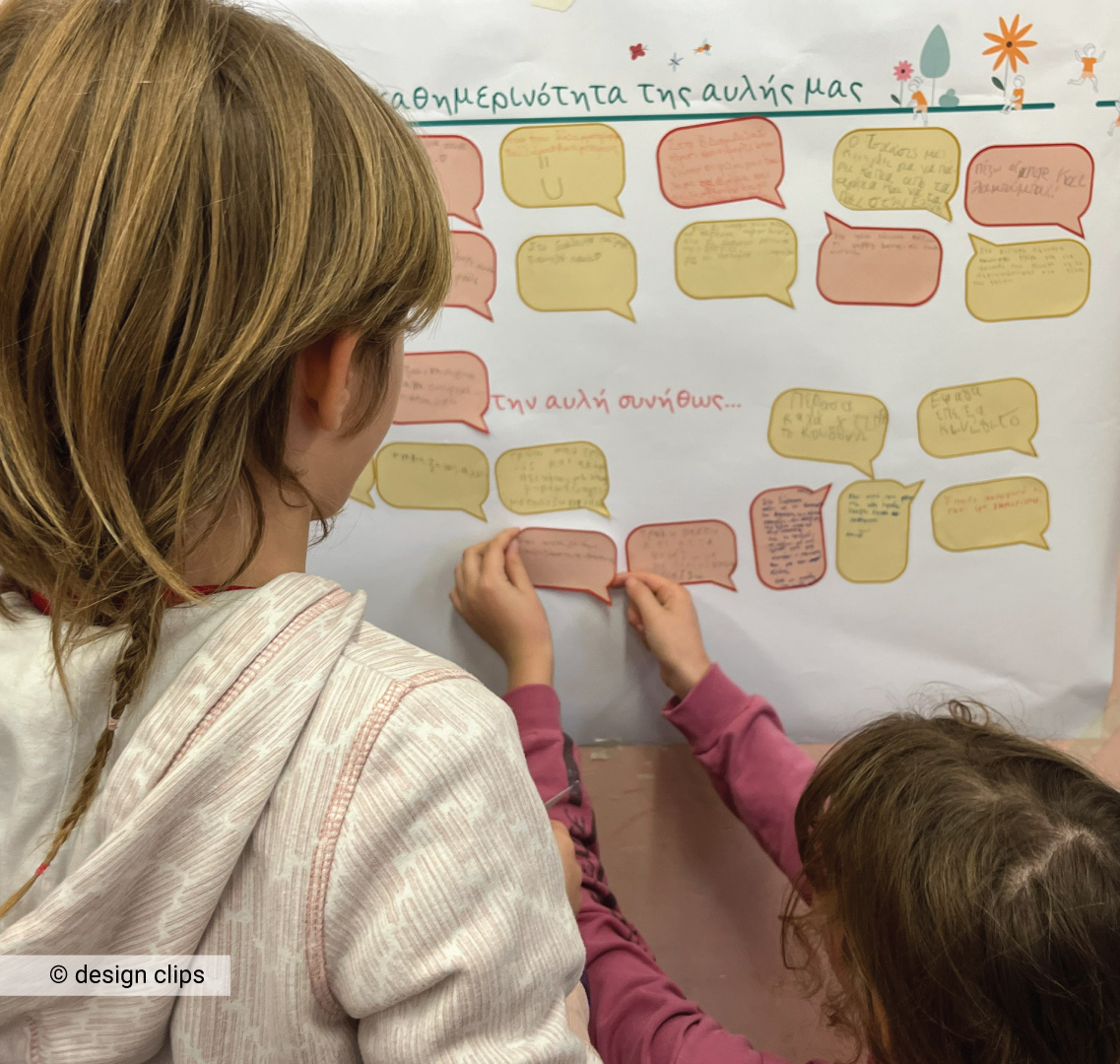
As part of the Commit2Green Horizon Europe project, more than 65 children aged 9–10 from three primary schools in Thessaloniki, Greece, participated in a series of participatory workshops to explore, assess, and re-imagine their schoolyards through a nature-based lens. The process was designed to meaningfully engage children in the co-design of greener, more inclusive and climate-resilient school environments. The workshops introduced students to the project’s vision and the importance of integrating nature-based solutions into everyday school spaces. Through interactive and age-appropriate activities, children reflected on how they currently use their schoolyard, how often they interact with nature in their daily lives, and why biodiversity, shade, and natural elements matter for their wellbeing.
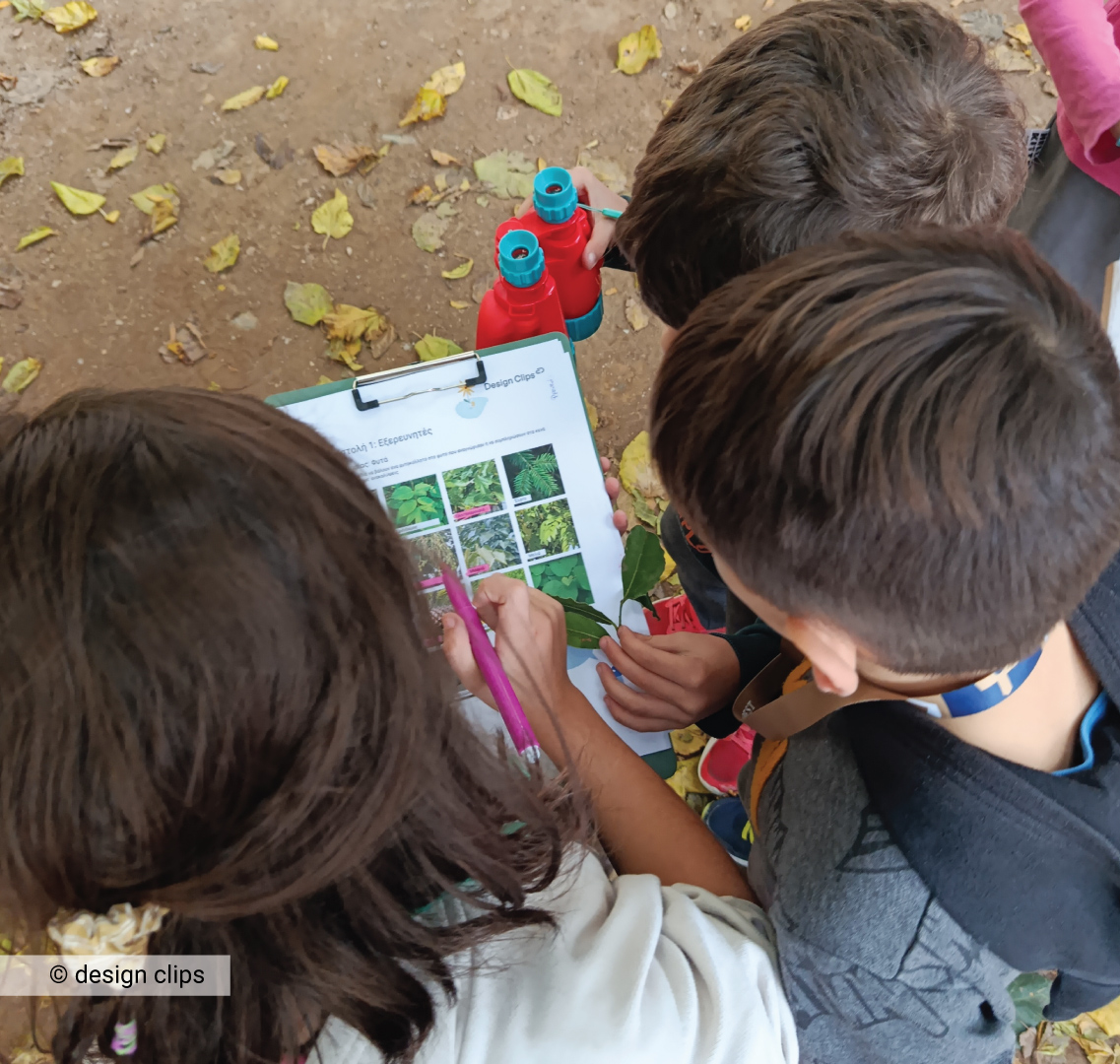
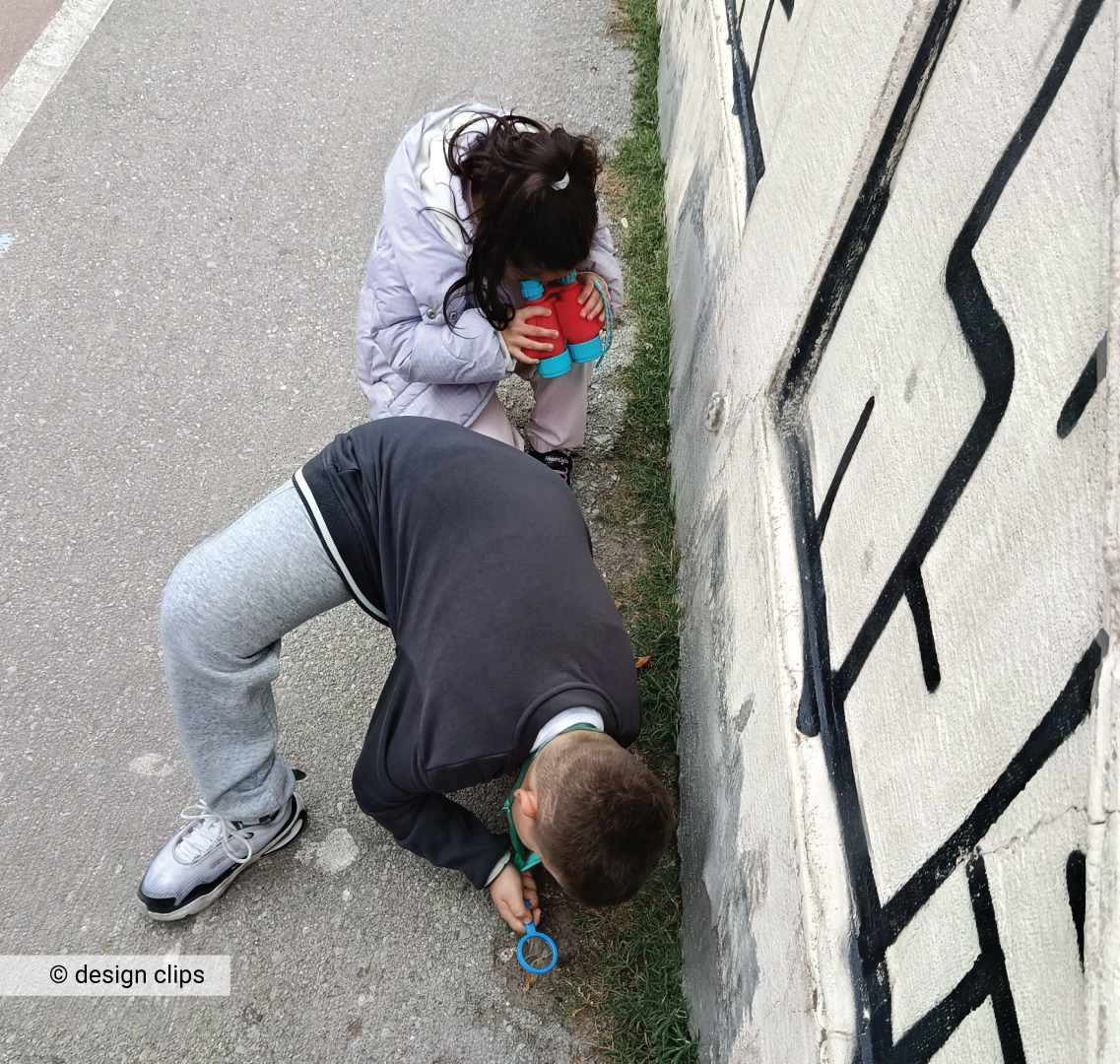
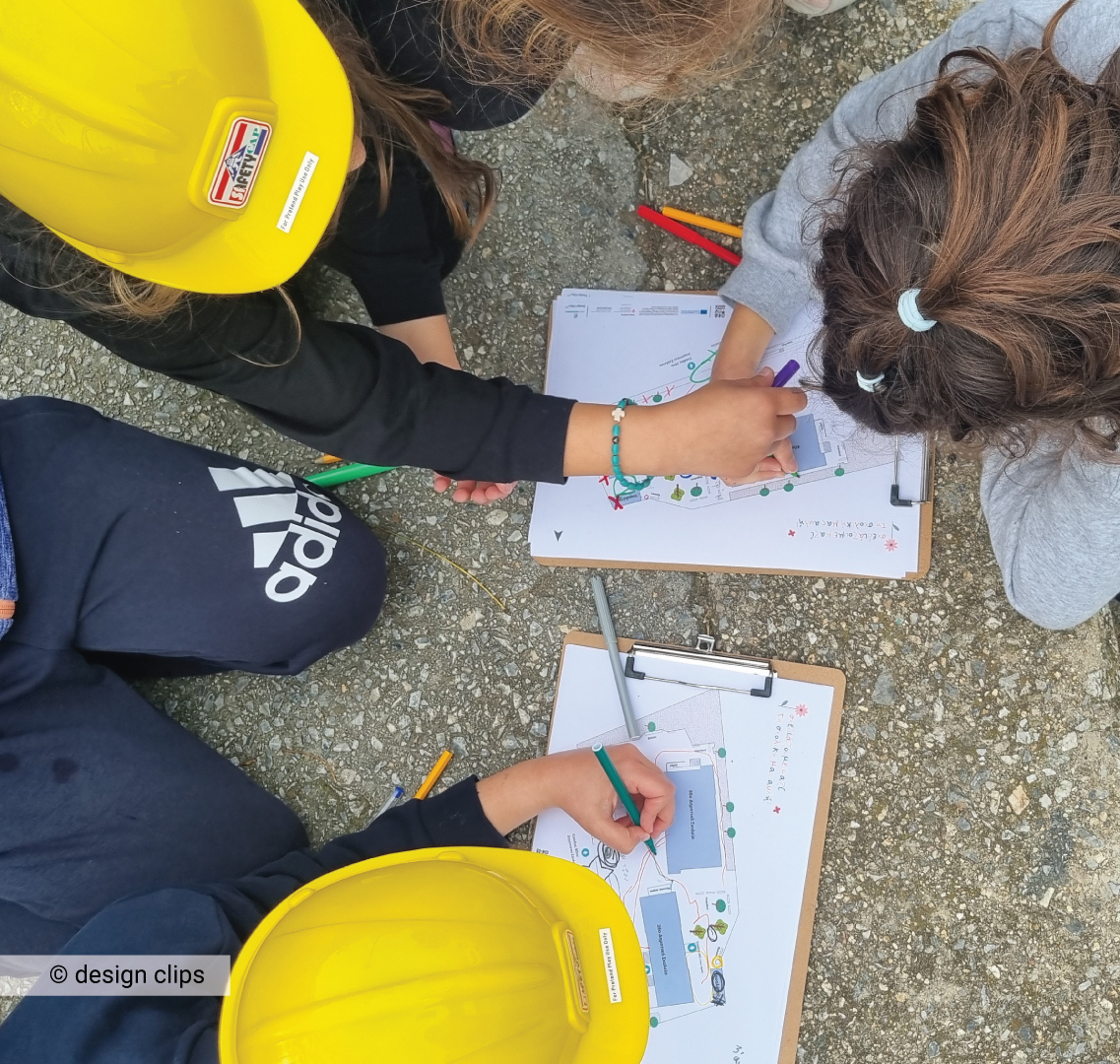
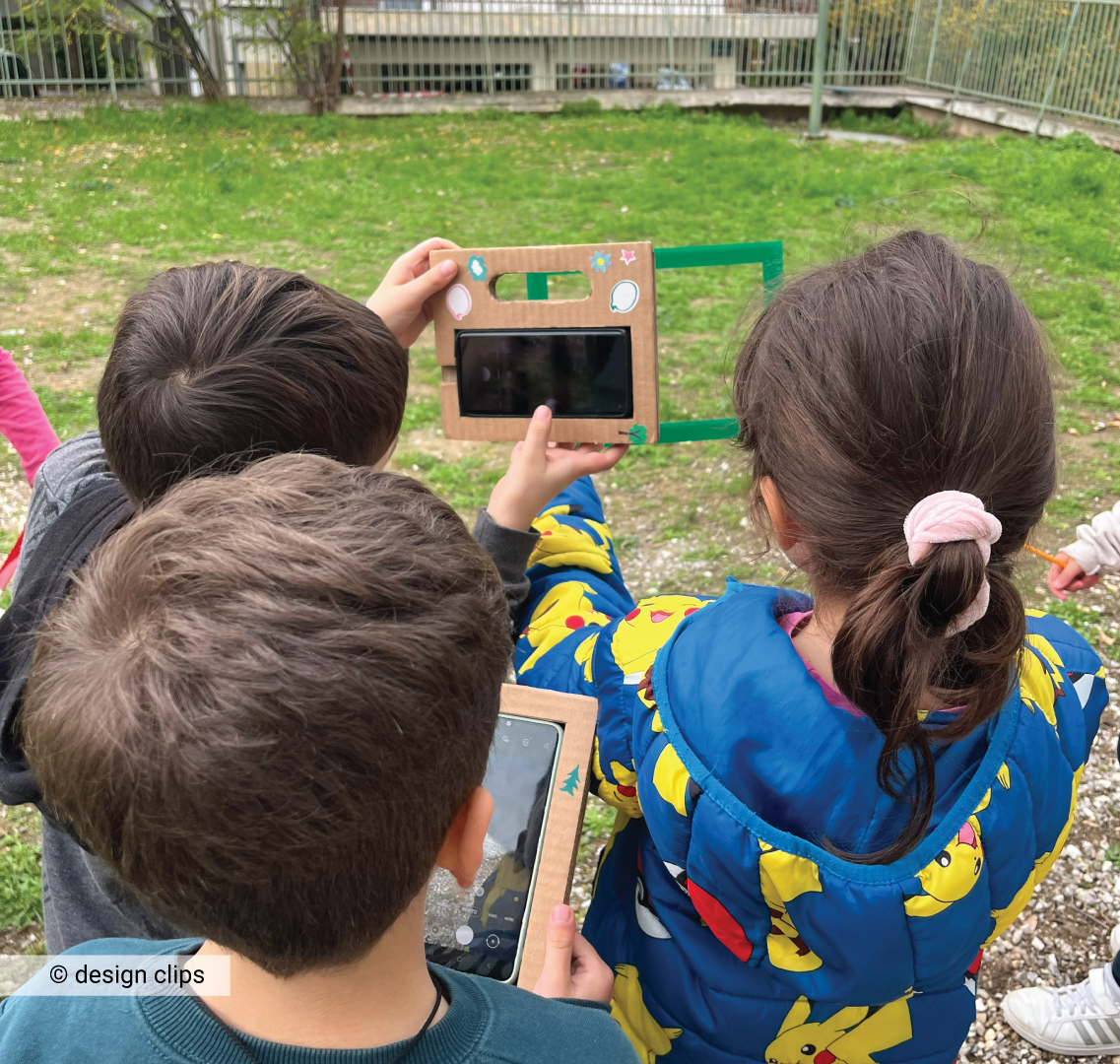
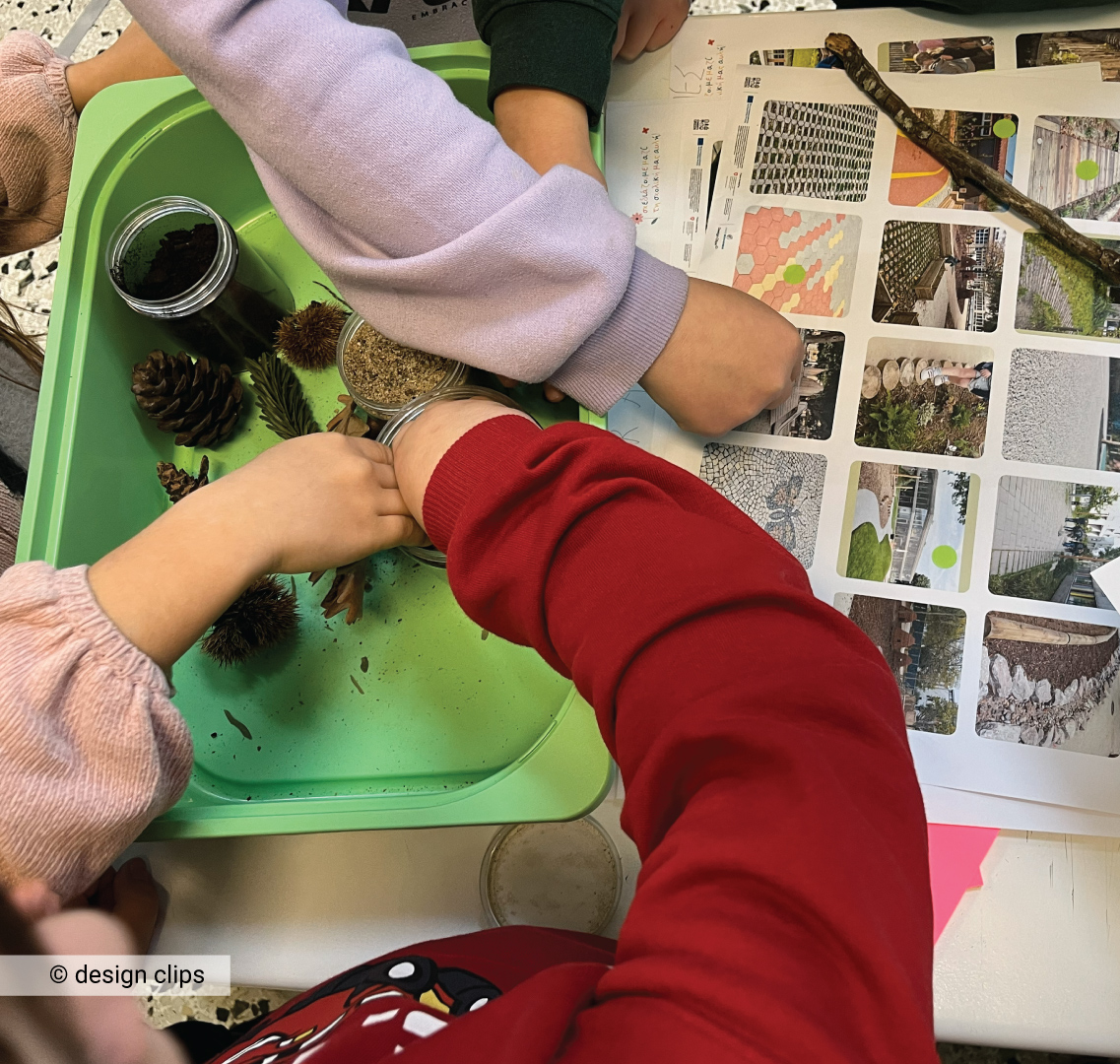
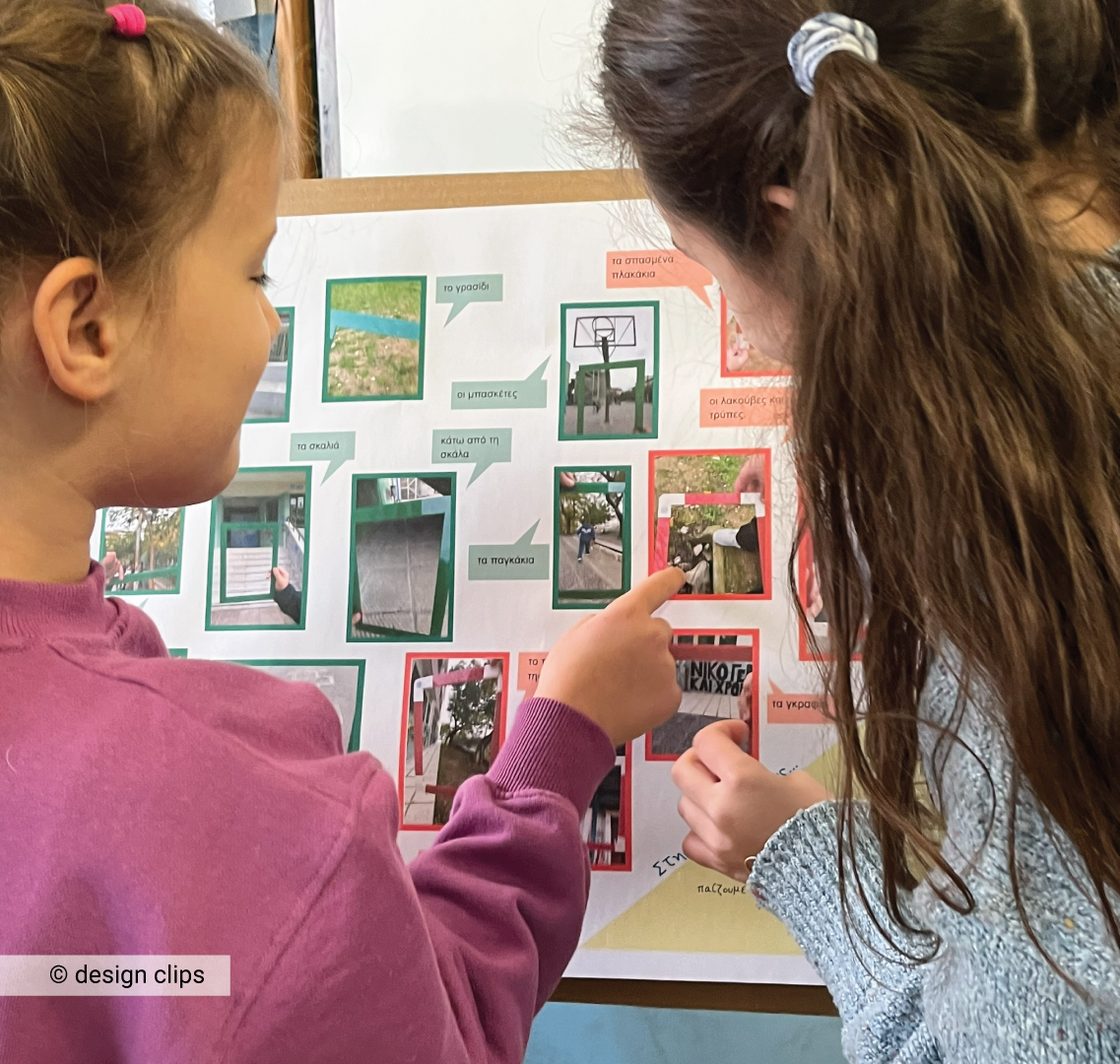
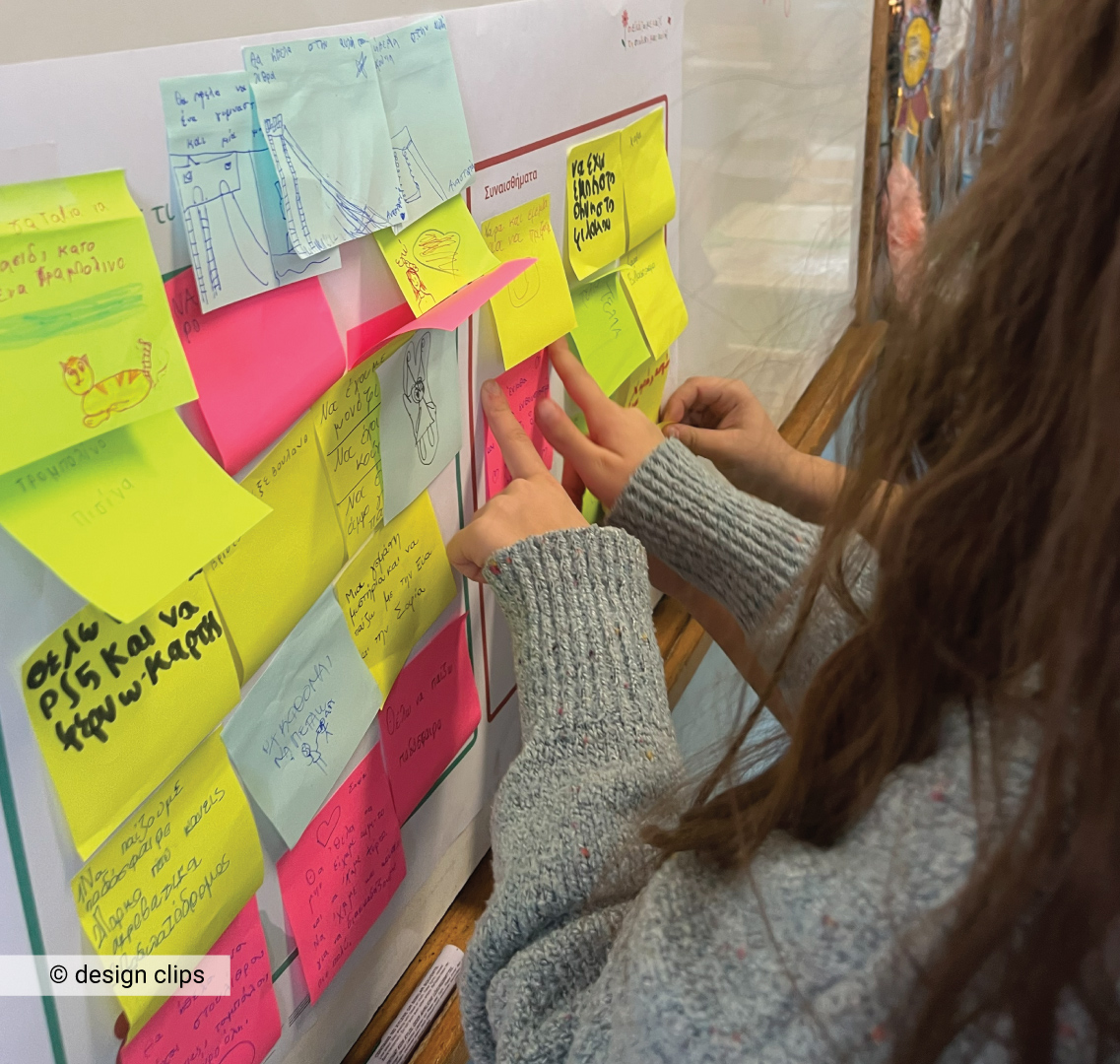
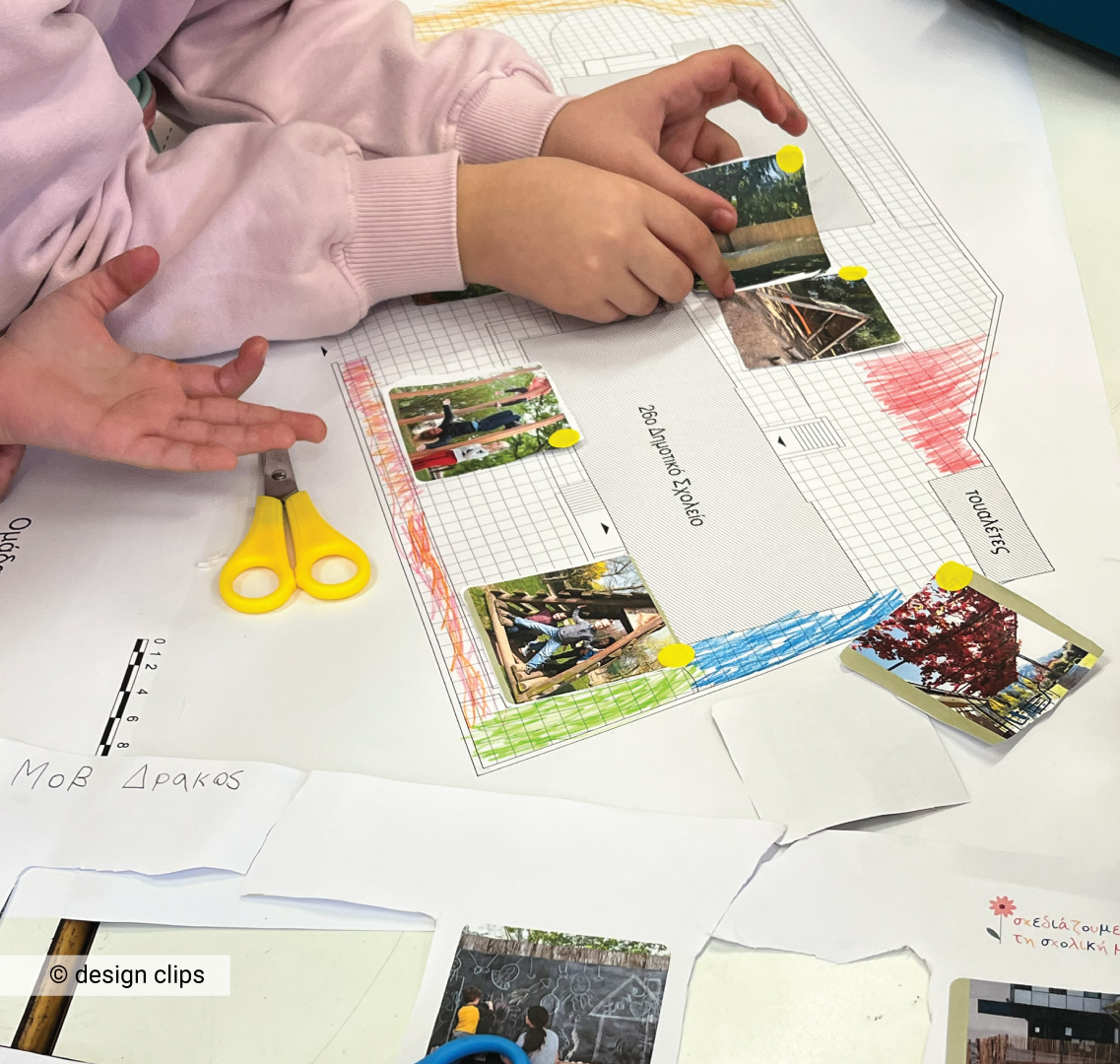
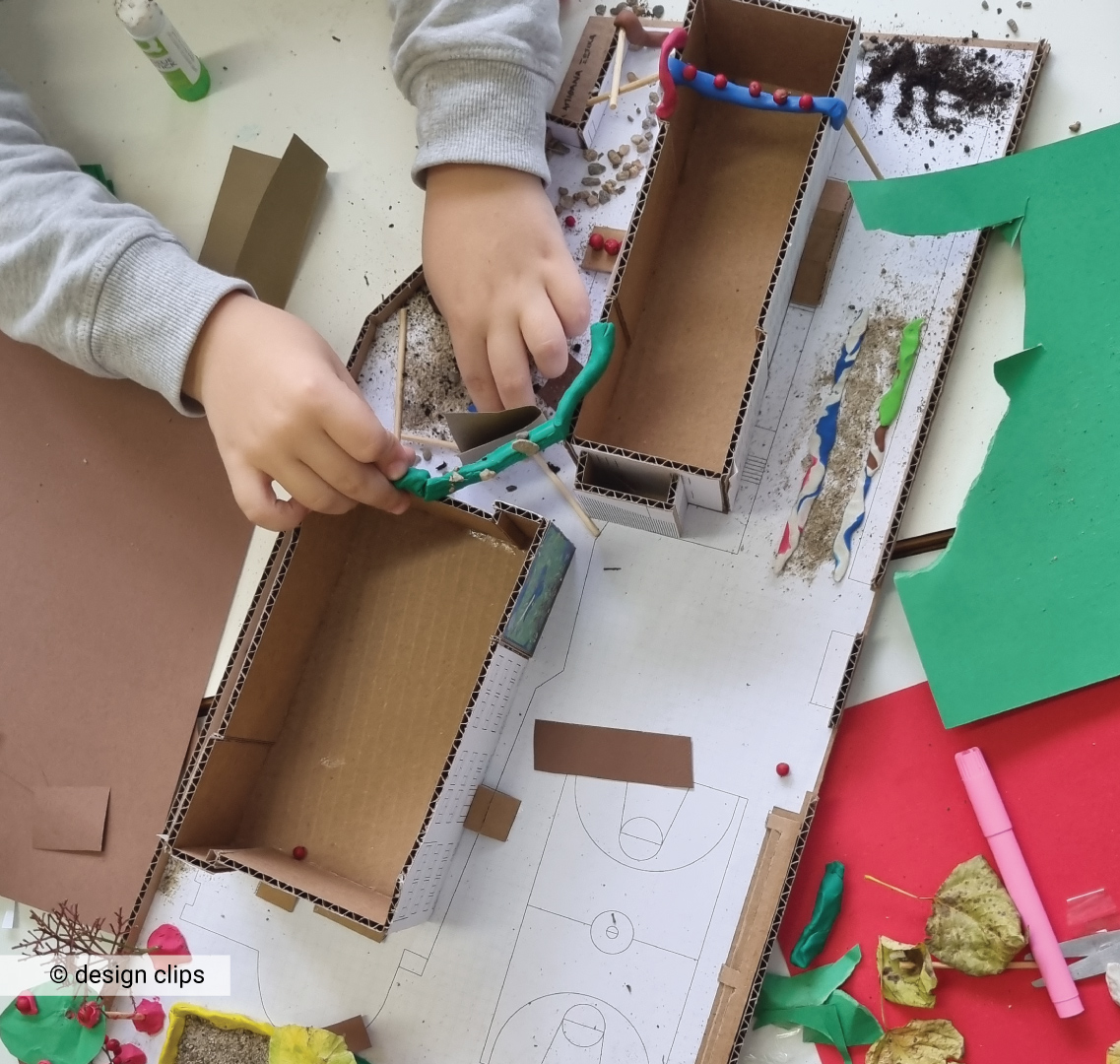
Building on this foundation, students took part in playful “missions” that encouraged them to observe local biodiversity, assess spatial qualities, and map how different areas of the schoolyard are experienced. By identifying spaces they enjoy, avoid, or would like to transform, participants contributed valuable insights into accessibility, comfort, safety, and opportunities for nature-based play and learning. This structured exploration enabled a meaningful evaluation of the schoolyard’s current condition from the children’s perspective. The process then shifted toward imagination and co-creation. Inspired by reference examples and hands-on exploration of natural materials, students envisioned how they would like to feel and act in a renewed schoolyard. Through collaborative design exercises and model-making, they translated their ideas into tangible spatial proposals, becoming active contributors to the planning process while also gaining an understanding of real-world design considerations and constraints.

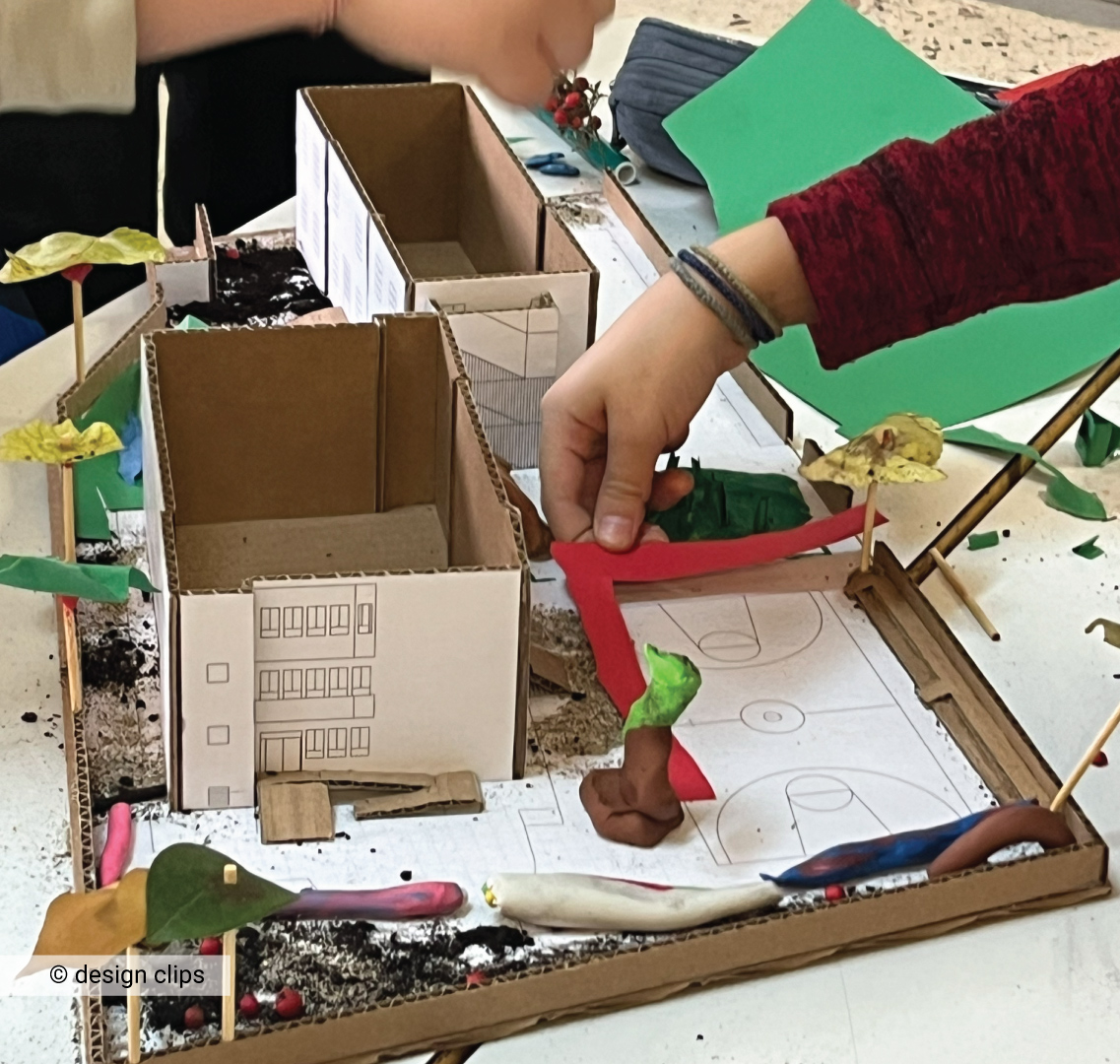
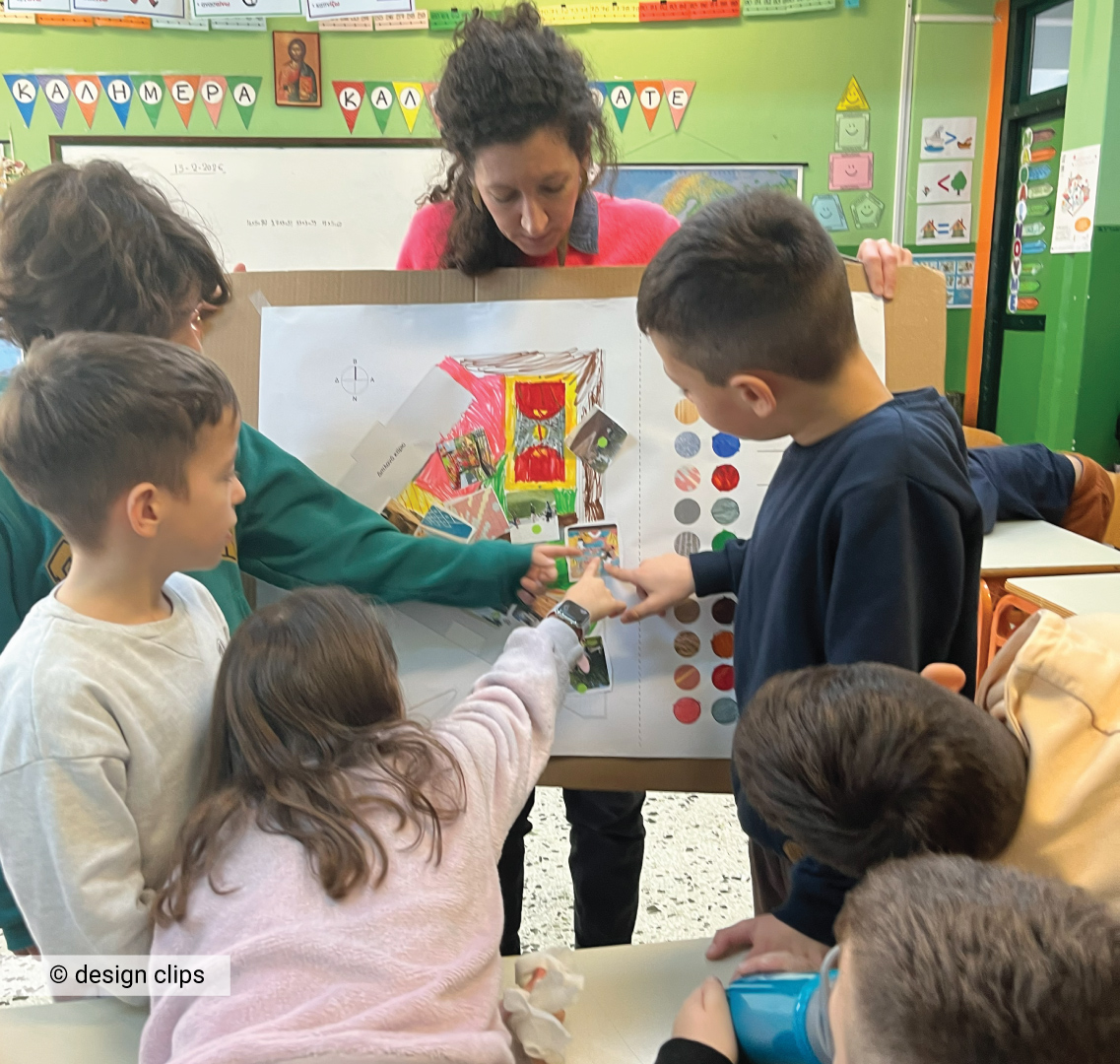
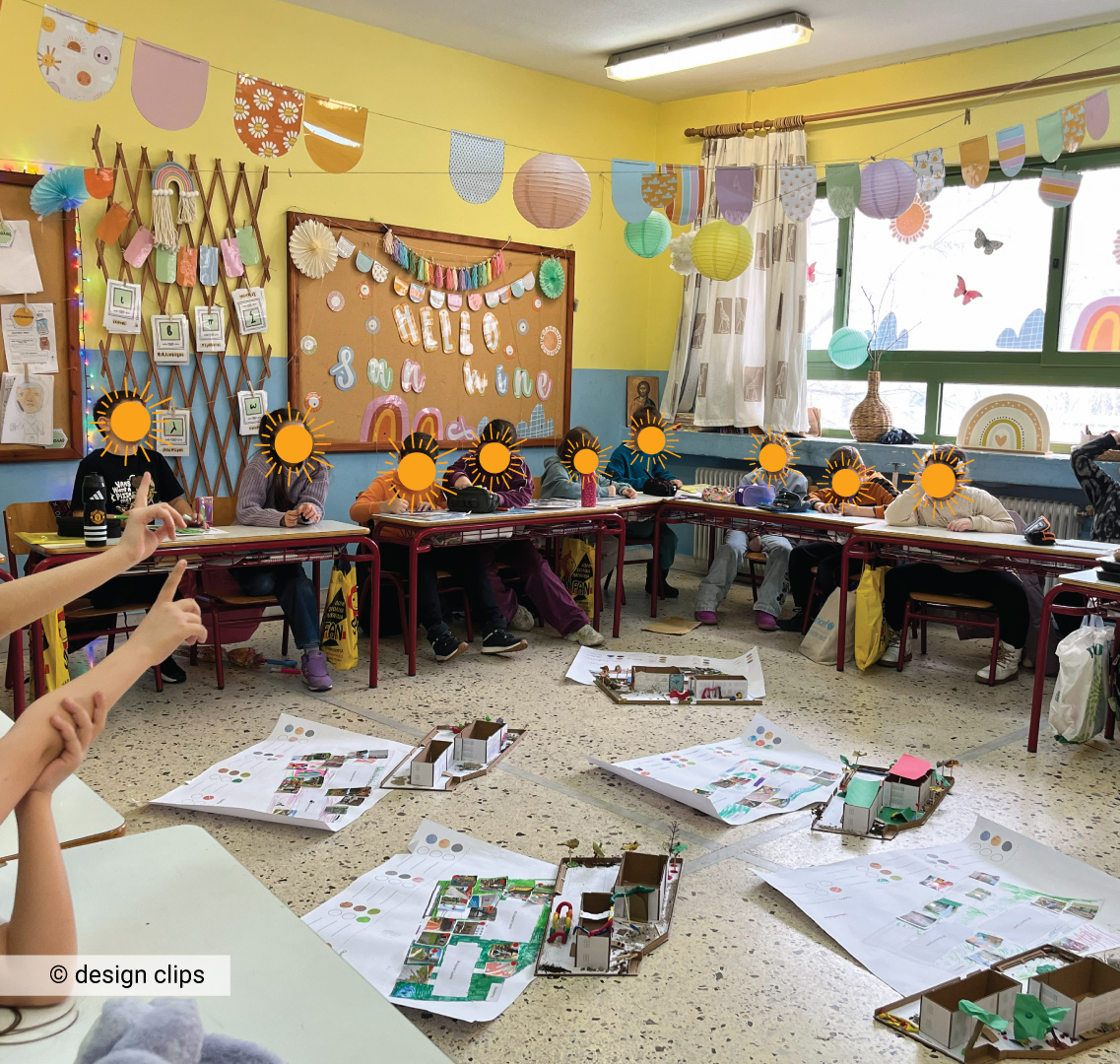
The workshops concluded with school-wide exhibitions, where the core working groups presented their ideas to the broader student community. This final step created space for feedback and validation, strengthening collective ownership and reinforcing Commit2Green’s participatory approach. The outcomes of the children’s engagement will directly inform the co-design of the natural schoolyards, ensuring that the final interventions reflect students’ needs while advancing biodiversity, climate adaptation, and community-level greening strategies.
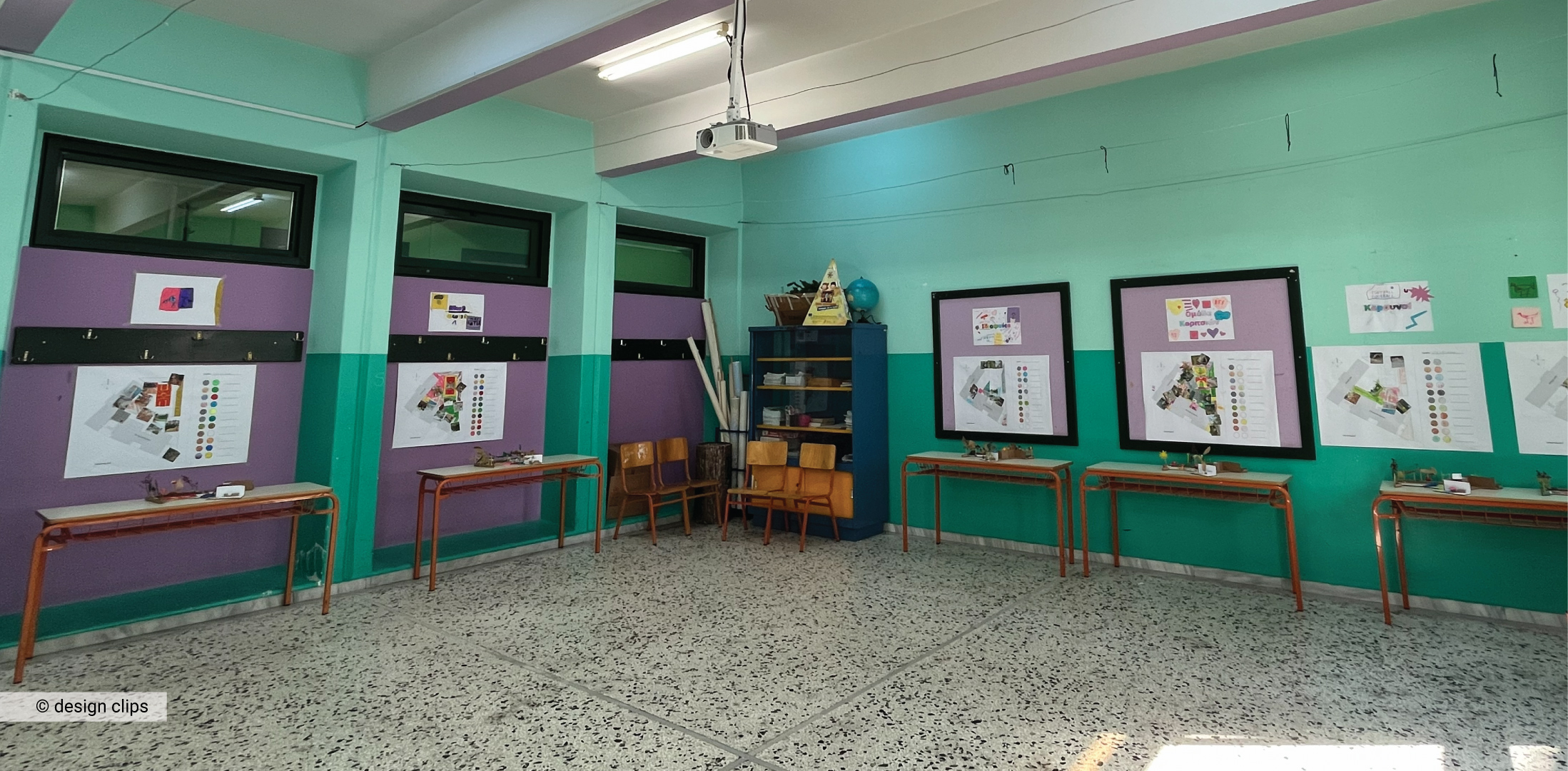
Photo gallery: